 (972) 274-5277



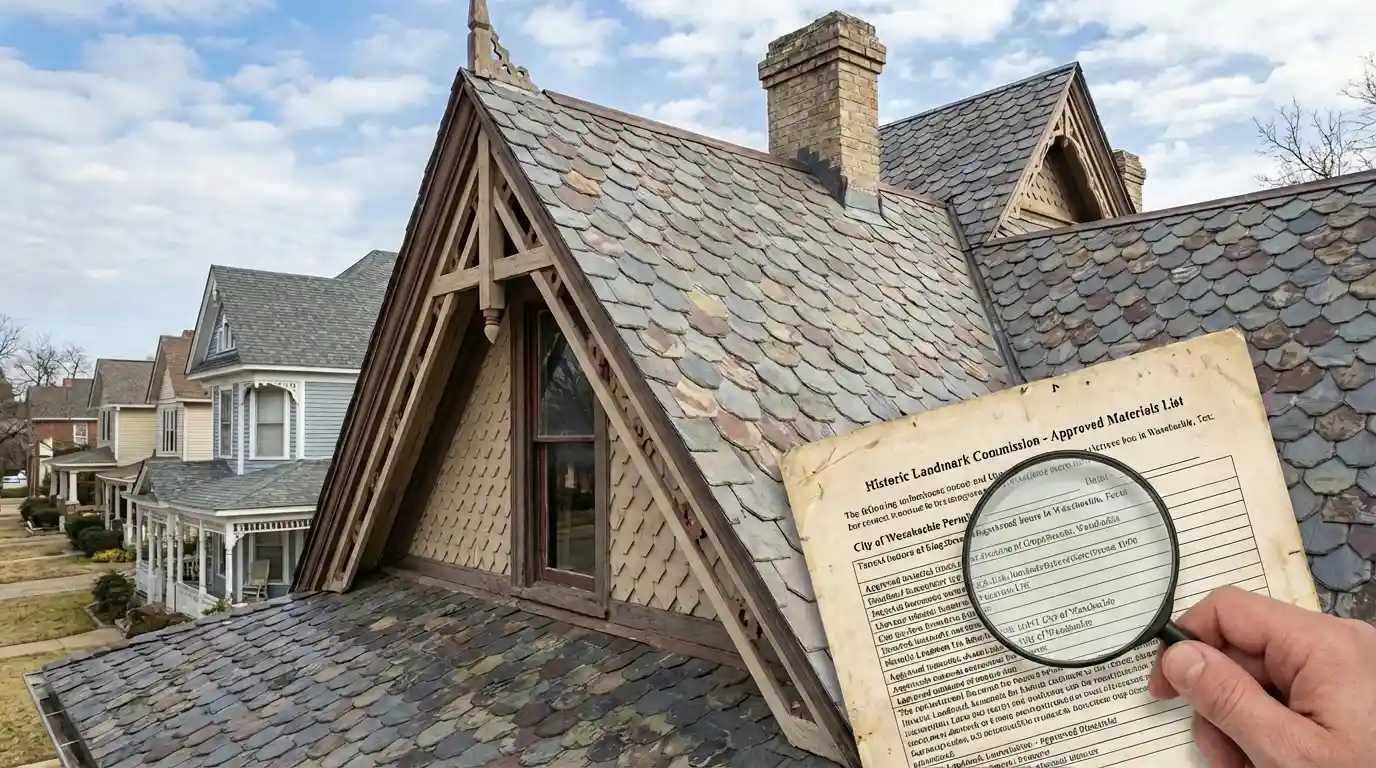
When buying a historic home in Waxahachie’s Gingerbread Village, a standard inspection is insufficient. Prospective buyers must check the roof’s compliance with local historic guidelines, verify approved materials were used, and research city permits. Failing to do so can lead to a mandated and expensive property restoration project after closing.
Owning a piece of history in Waxahachie, TX, is a unique dream. The stunning Victorian architecture of Gingerbread Village represents a connection to the past, a landmark property with unmatched character. As you walk down these historic streets, it’s easy to be captivated. But when you’re in the process of buying a home here, that beautiful, steep gable roof overhead could be hiding a financial nightmare—and not for the reasons you think.
At EDP Roofing, we’ve seen countless buyers in Ellis County focus solely on leaks and the age of the shingles. While important, that’s dangerously incomplete. The critical assessment isn’t just about condition, but compliance. For a historic home in Waxahachie, a brand-new but unapproved roof is a far greater liability than an older one that meets the city’s strict historic preservation standards. Oddly enough, with this in mind – even a new roof in Waxahachie might need repairs.
Beyond Leaks and Age: The Critical Difference Between a ‘Condition Check’ and a ‘Compliance Check’
Every standard home inspection report will include a roof condition assessment. The inspector will look for common issues: curling shingles, moss and algae growth, cracked tiles, or evidence of leaks and water stains in the attic. They are checking the roof’s ability to function. But in a designated historic district, that’s only half the story.
A ‘Compliance Check’ dives deeper. It verifies that the roof’s materials and any past repairs adhere to the city’s mandatory historic design guidelines. The City of Waxahachie implemented the Waxahachie Residential Design Guidelines in 2021 to provide property owners with guidance on the proper treatments for historic home rehabilitation and restoration according to the city’s official site. This means a perfectly functional, 2-year-old asphalt shingle roof could be a massive problem if the original home had, for instance, wood shingles, and the replacement was done without approval.
The 5 Critical Roof Checks for Your Waxahachie Historic Home
During your due diligence period, you need to add these five steps to your home buyer checklist. This is what to look for when buying a historic home to protect your investment.
1. Identify Prohibited Materials Hiding in Plain Sight
A previous owner, looking for a quick or cheap fix after some storm damage, may have installed materials that look fine but violate the historic code. Common non-compliant “upgrades” we see in North Texas include modern architectural shingles on a home that should have a more traditional look, or even a standing seam metal roof. While durable, these materials can compromise the architectural integrity of a historic property.
The Waxahachie Historic Preservation commission has the authority to require a new owner to tear off non-compliant roofing materials and replace them with period-appropriate materials like cedar shake shingles, a slate roof, or specific types of clay tiles. This is a crucial distinction for anyone buying in our historic neighborhoods.
2. Investigate the Permit Paper Trail
Every significant repair or replacement on a historic home in Waxahachie requires a Certificate of Appropriateness. This document is proof that the work was reviewed and approved by the city, ensuring it aligns with preservation standards. If the seller’s disclosure mentions a new roof but they can’t produce this certificate, it’s a major red flag. You should cross-reference any claimed work with the city’s building permits record. A missing paper trail means the city could deem the work improper, leaving you responsible for the correction.
3. Understand the True Cost of Authenticity
Let’s be clear: a standard roof replacement cost is not the same as a historic property restoration. Sourcing period-appropriate materials is more expensive, and the installation requires specialized craftsmanship. That’s why, in a historic home, a repair that might have cost $200 can snowball into a $20,000 restoration project if the unique deterioration patterns of old materials are not properly and regularly inspected, as noted by preservation experts. This potential expense must be factored into your budget. In addition to local rules, property owners in Waxahachie should refer to The Secretary of the Interior’s Standards for the Treatment of Historic Properties, published by the National Park Service, as referenced in Waxahachie’s own guidelines.
As one of our clients, Bari Brookman, shared after we worked on his property, “Tony made the process a pleasant one, explaining everything that needed to be done (and corrected from the previous poorly-installed roof). His price was fair and he took care of some extra things without charging me. … Hire EDP roofing. You will not be disappointed.” Understanding the right way to do things from the start saves money and headaches.
4. Assess the Unseen Structure and Systems
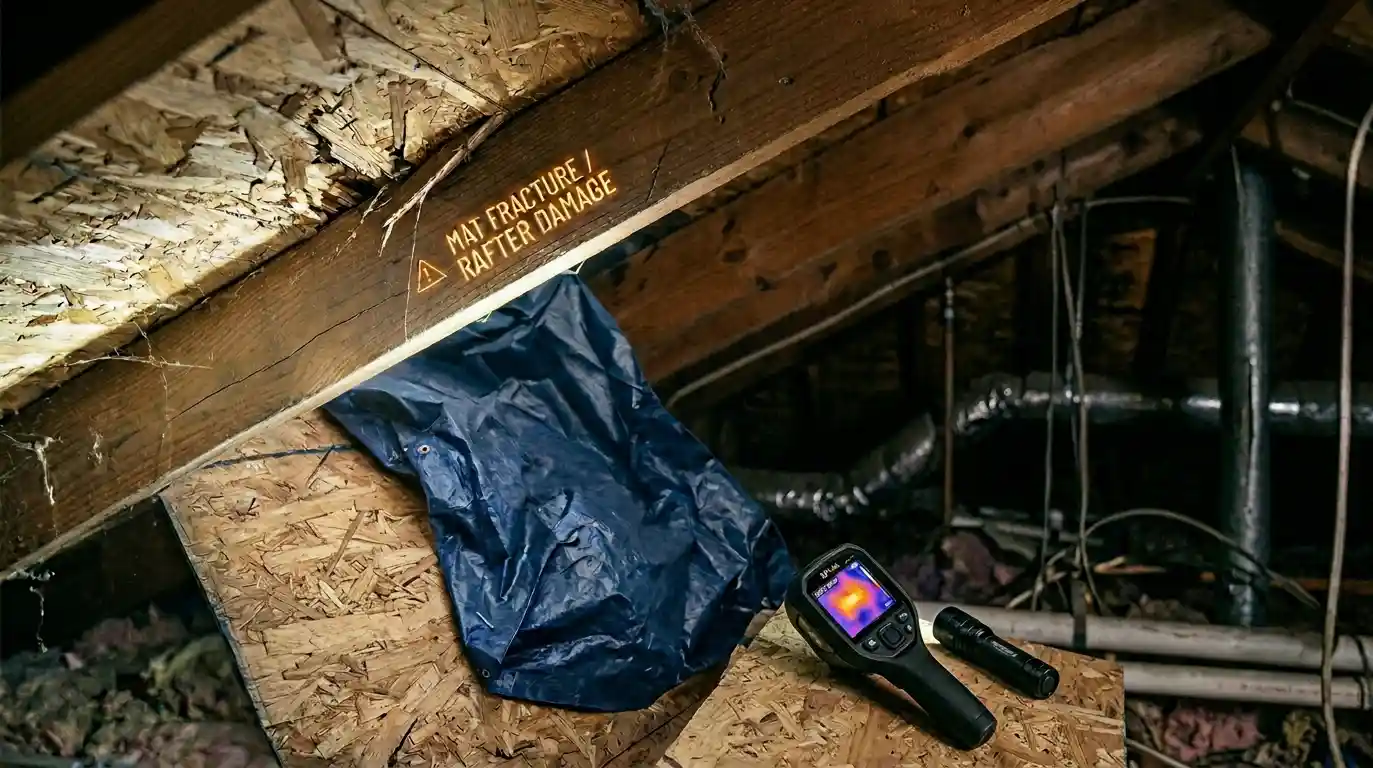
What to look for during a roof inspection goes beyond the shingles. For a historic home, the underlying roof structure is paramount. You need a roofing contractor to get into the attic and assess the rafters and trusses for any signs of water damage or wood rot. Check the roof decking for soft spots and look for a sagging roofline from the exterior, which could indicate serious structural issues.
A roof also has five key functional requirements: it must provide water resistance, structural stability for the home, energy efficiency, long-term durability against North Texas weather, and fire resistance. These functions depend on a complete system, including proper attic ventilation, roof insulation, and a well-maintained gutter system with effective downspouts, soffits, and fascia board.
5. Factor in North Texas Weather and Local Codes
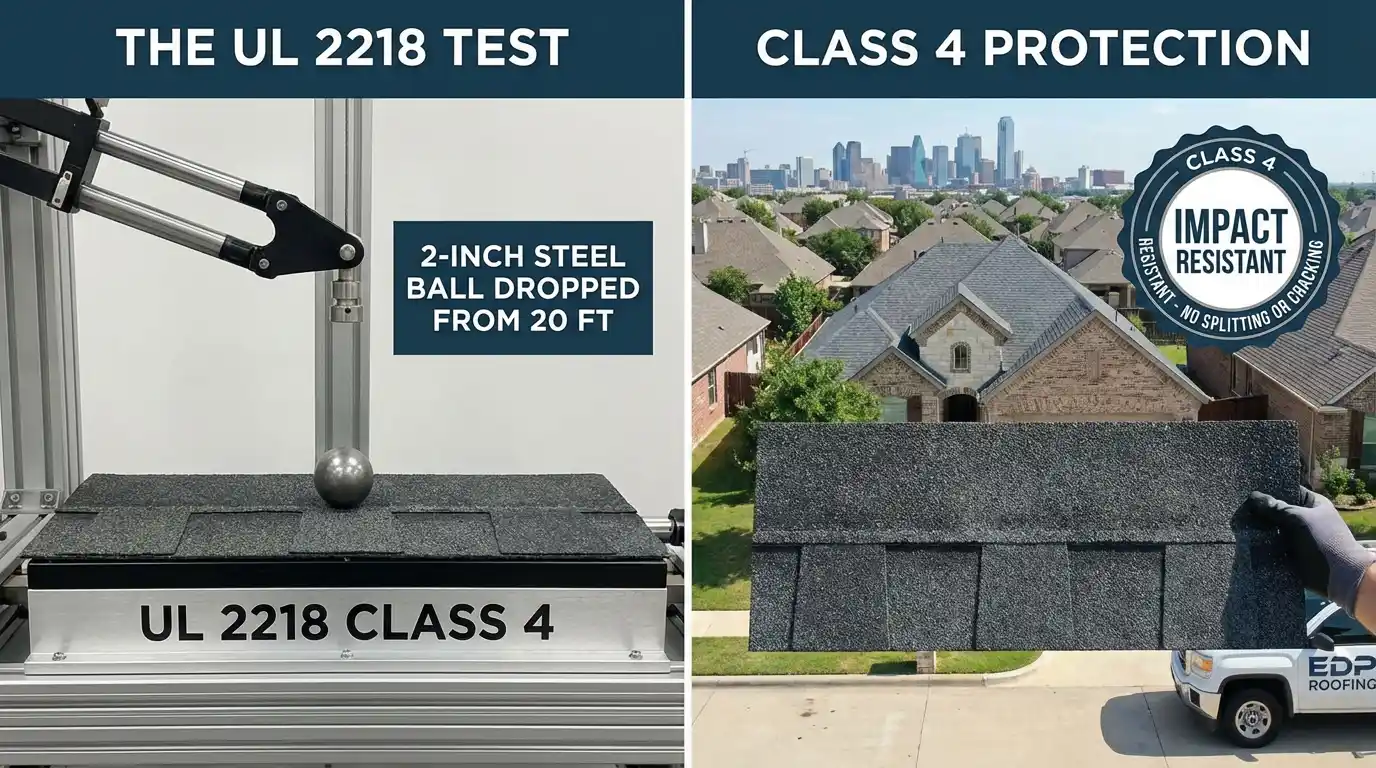
Our region is known for severe weather, and hail damage is a constant threat. This brings local building codes into play, specifically what is often called the 25% rule in roofing. This rule, common in many Texas municipalities, states that if more than 25% of a roof is damaged, the entire slope or even the whole roof must be brought up to current code. On a historic home, “current code” includes the historic district guidelines. A hailstorm could trigger a full, period-correct replacement that your insurance may not fully cover without the right documentation and advocacy.
This is where having a strategic partner is key. As our client Justin Peacock put it, “What really set them apart was how they went above and beyond by helping deal with my insurance company, which was being difficult. You won’t be disappointed! 👍”
Standard Inspection vs. Historic Assessment: A Breakdown
- Standard Roof Inspection (Function-Focused)
- This pre-purchase inspection focuses on the immediate function and lifespan of the roof. It identifies active leaks, the age and condition of existing materials like asphalt shingles, checks for issues like cracked tiles or damaged chimney flashing and valley flashing, and estimates the remaining years before a replacement is needed. It’s about ensuring the roof works right now.
- Historic Compliance Assessment (Materials and Methods-Focused)
- This specialized inspection is about ensuring architectural integrity and adherence to legal requirements. It verifies if the roofing materials are period-appropriate, confirms that a Certificate of Appropriateness exists for past work, and assesses whether the installation methods respect the home’s historical character. This requires a preservation specialist or a roofing contractor deeply familiar with Waxahachie historic preservation rules.
- Unexpected Restoration Costs
- This is the financial risk you assume without a proper historic assessment. It includes the cost to tear off a perfectly good but non-compliant new roof, the high expense of sourcing authentic materials like a slate roof or cedar shake shingles, and the specialized labor required for a historically accurate installation. It’s a hidden liability that can turn your dream home into a financial burden.
Making the Right Choice for Your Needs
Navigating the complexities of buying a historic home in Waxahachie requires a tailored approach based on your experience and goals.
For the First-Time Historic Homebuyer
You’re captivated by the charm, but that can lead to costly oversights. Your priority should be partnering with an expert who understands the Waxahachie Residential Design Guidelines before your option period ends. Do not rely solely on a standard home inspection. Insist on a compliance assessment to understand the true, long-term cost of ownership.
For the Experienced Renovator
Your knowledge of general construction is a great asset, but don’t assume a project planned for 2025 in another city follows the same rules. Unlike a straightforward project in a place like Racine, Wisconsin, historic home renovation in Waxahachie is governed by specific, non-negotiable codes. Verify every detail and never trust the look of a roof without seeing the permit paperwork to back it up.
For the Real Estate Investor
Your focus is on ROI, and a hidden, mandated roof replacement is one of the fastest ways to erase your profit margins. Your due diligence must be meticulous. A thorough pre-purchase inspection that includes a deep dive into city records and material compliance isn’t just a good idea—it’s essential risk management for your property investment.
Ultimately, protecting your investment in a historic home begins with having the right information. If you’re considering buying a home in Gingerbread Village or any of Waxahachie’s historic districts, contact EDP Roofing for a comprehensive roof condition assessment that looks beyond the surface. We provide clear repair estimates and the expert guidance you need to make a confident decision.