 (972) 274-5277


Expert Roof Installation in Dallas, TX: Protecting Your Home with Lifetime Quality
Don’t let North Texas weather dictate the safety of your home. EDP Roofing is your dedicated partner, providing authoritative roof replacement and storm damage restoration with a focus on navigating complex insurance claims, ensuring your property gets the protection it deserves.
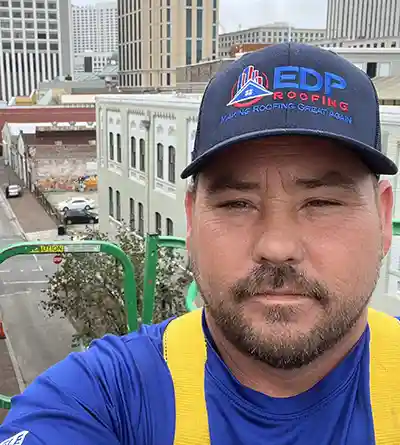
Expert Reviewed & Verified
40+ yrs experience · NBC DFW-cited roofing authority










Insurance Claim Assistance
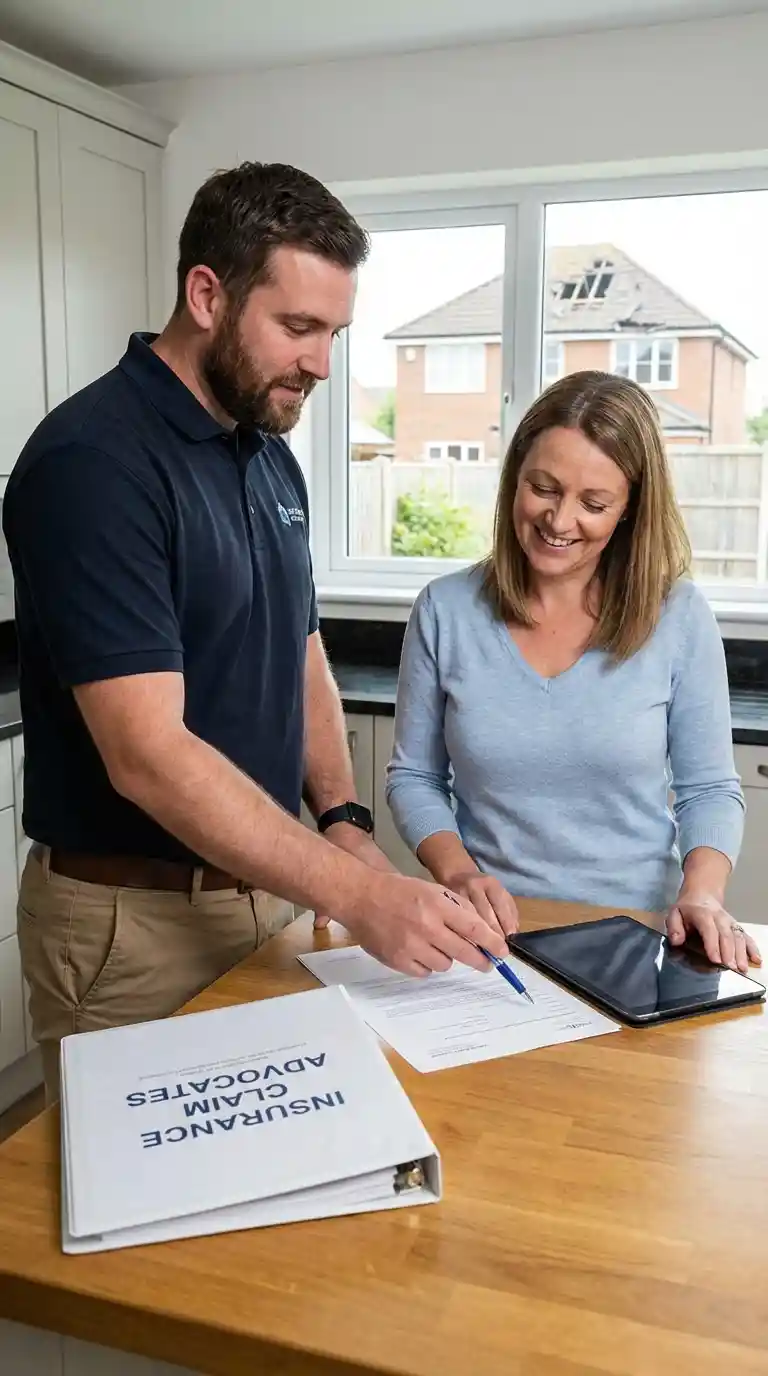
The insurance process can be more daunting than the storm itself. As your advocate, we simplify it. Our team has years of experience working with all major insurance carriers, ensuring your claim is filed correctly, documented thoroughly, and valued fairly. We meet with your adjuster on-site, pointing out damage they might overlook to ensure you receive full compensation for all necessary work, including soffit and fascia repair, gutter installation, and proper roof ventilation. This dedicated insurance claim assistance sets us apart from other contractors and prevents you from paying more out-of-pocket than you should for your new roof.
Commercial Roofing Solutions
EDP Roofing provides robust and reliable commercial roofing services for businesses, industrial facilities, and property managers throughout the Dallas-Fort Worth area. We understand that a commercial roof is a critical asset protecting your operations and inventory. We specialize in a variety of systems, including durable and energy-efficient TPO roofing, modified bitumen, and metal roofing. Whether you need flat roof repair, routine roof maintenance to extend the life of your asset, or a complete industrial roofing replacement, our licensed and insured team delivers on time and on budget. We ensure all work complies with local codes and roofing permit requirements in cities from Arlington to Garland.
CONTACT OUR TEAM TO SCHEDULE A CONSULTATION
Many times we find ourselves correcting other roofing companies’ poor workmanship. When storms occur and cause damage, we can assist you with emergency work and help you with your insurance claim to make sure you get everything damaged paid for. Your roof is always our most important job during the installation process – not the next job.
Based in Lancaster, TX, our team of certified residential and commercial roofers have been protecting Dallas homes through every major hail event since the 80s. Bringing decades of experience providing roof maintenance, roof repair, and installation work for homeowners and property owners in Duncanville, Desoto, Cedar Hill, Glenn Heights, Midlothian, Waxahachie, Hutchins, Red Oak, Dallas, and surrounding areas of North Texas.
If you need advice based on the current state of your roof, an estimate for a new roof, or roof repair service, don’t hesitate to contact us – roofing estimates are always free of charge.
24-hour emergency service is available when you need it!
Why Homeowners in Dallas, TX Trust EDP Roofing
In a market with many options, including large names, discerning Dallas homeowners choose EDP Roofing for our unwavering commitment to quality, transparency, and customer advocacy. We are not just a contractor; we are your local partner in protecting your most valuable asset.
- Local North Texas Expertise & Unwavering Quality: We aren’t a storm-chasing company. We are a permanent, local roofing company deeply familiar with the unique challenges of the North Texas climate. Our crews are trained to install a complete roofing system—from flashing to ventilation—that is built to withstand intense sun, high winds, and severe hail. We proudly offer a robust workmanship warranty on top of the manufacturer warranty from leading brands like CertainTeed, giving you peace of mind that your investment is built for a lifetime.
- Mastery of the Insurance Claim Process: We are your expert guide through the complexities of insurance claims. We provide a free roofing estimate that is incredibly detailed, using the same software as insurance adjusters to ensure nothing is missed. This expert documentation is critical for getting your hail damage repair or full roof replacement approved without delays or unfair denials. We advocate on your behalf to ensure every bit of damage is covered, turning a stressful process into a seamless one.
- Transparent, Educational Approach: Your peace of mind is our top priority. We believe an informed customer is a happy customer. From the first phone call, we take the time to explain our findings, walk you through the different roofing materials like composite shingles or clay tile, and clarify the installation process. There are no high-pressure sales tactics, just honest advice and a clear breakdown of roofing costs so you can make the best decision for your home and budget.
What your Neighbors are Saying
Kim Shear
"Tony and his crew are amazing! They are professional, punctual, and extremely knowledgeable. They took the time to explain everything and made sure we were comfortable with all decisions. Highly recommend!"
Read on Google →Justin Peacock
"Tony and his team did an amazing job from start to finish. What really set them apart was how they went above and beyond by helping deal with my insurance company, which was being difficult. You won't be disappointed!"
Read on Google →Truly Richh
"It was their honesty that won me over. Tony sent someone that same day due to tomorrow's forecasted rain. Tony's customer service was top-notch, and the staff was professional and courteous. Highly recommend EDP Roofing."
Read on Google →Bari Brookman
"Tony and his entire team just completed a new TPO roof installation on my home and I could not be happier. His price was fair and he took care of some extra things without charging me. Hire EDP Roofing. You will not be disappointed."
Read on Google →
Reviews verified by
Tony Brooks — President & GAF Gold Elite™ Contractor
40+ yrs experience · NBC DFW-cited roofing authority · Lancaster, TX
View Tony's full profile & credentials →
Your Questions About Roof Installation in Dallas, TX Answered
How much does a new roof cost in Dallas, TX?
The cost of a new roof installation in Dallas varies significantly based on several factors. On average, homeowners can expect to pay between $8,000 and $20,000+. The key variables influencing roofing costs include the total square footage of your roof, the pitch (steepness), the type of roofing materials selected (e.g., architectural asphalt shingles are more affordable than standing seam metal or tile roofing), and the condition of the underlying roof decking. If the decking is rotted and needs replacement, this will add to the cost. We provide a detailed, free roofing estimate that breaks down every line item so you see exactly where your money is going.
What is the 25% rule in roofing?
The “25% rule,” often referenced in Texas insurance policies, relates to roof repair versus replacement. The rule generally states that if more than 25% of a roof’s surface is damaged, the insurance company must pay for a full roof replacement rather than just repairing the damaged sections. This is crucial for maintaining the integrity and uniformity of the entire roofing system. An experienced roofer, like EDP Roofing, will know how to properly document widespread hail damage across all slopes of your roof to demonstrate to your insurer when this rule should be applied, ensuring you get a complete new roof when it’s warranted.
How much does a roof cost for a 2000 sq ft house in Texas?
For a typical 2,000 sq ft single-story home in Texas, the roofing area is usually larger than the living space, often around 2,200-2,400 square feet. Using standard architectural asphalt shingles, the cost for a roof replacement could range from approximately $10,000 to $16,000. If you opt for premium materials like impact-resistant shingles or metal roofing, the price could increase to $18,000-$30,000 or more. This estimate includes materials, labor, removal of the old roof, and obtaining the necessary roofing permit. The best way to get an accurate figure is with a professional roof inspection service.
What time of year is the cheapest to replace a roof?
In the Dallas-Fort Worth area, roofing is a year-round business due to our climate. However, demand typically peaks after the spring and early summer storm seasons (April-June). Consequently, you may find slightly more competitive pricing and better scheduling availability during the late fall and winter months (October-February), when demand is generally lower. While waiting for a “cheaper” time can be tempting, it is never advisable to delay a necessary roof replacement, especially if you have active leaks or significant storm damage, as this can lead to far more expensive interior repairs.
Beyond Shingles: The Homeowner’s Guide to Roof Installation in Dallas
A proper roof installation in Dallas goes far beyond the shingles you see from the street. For true, long-term protection in North Texas, homeowners must invest in a complete roofing system—an integrated assembly of materials designed to combat hail, heat, and high winds, ultimately saving you money and stress.
Why Your Dallas Roof Is More Than Just a Cover
Here in North Texas, we understand that the sky can turn from a peaceful blue to a threatening gray in minutes. A roof isn’t just a feature of your home; it’s the primary shield against the punishing Dallas climate. Yet, many homeowners mistakenly believe a “new roof” simply means new shingles. This view is dangerously incomplete. A true roof replacement involves a holistic approach, considering every layer from the wooden deck up. At EDP Roofing, we’ve built our reputation on educating homeowners, because we believe an informed decision is the best defense against both the weather and fly-by-night contractors.
The reality is that storm chasers often focus on the most visible damage, offering a quick fix that leaves your home vulnerable. True lifetime quality comes from understanding that the shingles are just one part of a complex system. It’s why our process for every residential roofing project, whether it’s in Preston Hollow or a suburb like Frisco, starts with a deeper look.
Beyond the Shingle: What a Truly Free Roof Inspection Should Cover
Many local roofing company signs pop up after a storm, offering a “free inspection.” But what does that entail? A quick walk on your roof to count missing shingles is not enough. A valuable, comprehensive inspection—the kind that provides real peace of mind—must assess the entire roofing system. This is the only way to identify underlying issues that could lead to catastrophic failure down the road.
- Roof Decking: This is the wood foundation of your roof. We inspect for soft spots, water stains, or rot. After a severe hailstorm, decking can be cracked or compromised even if the shingles look intact. In Dallas, replacing structural members like roof joists and rafters requires a building permit, indicating that storm damage often compromises more than just the shingles according to city guidelines. Ignoring this can lead to a failed inspection and costly rework.
- Underlayment: The critical water-resistant barrier between the decking and the shingles. Older homes often have simple felt paper, which can tear easily and become brittle under the Texas sun. We assess its condition and recommend modern synthetic underlayment for superior protection.
- Flashing: The metal pieces that direct water away from vulnerable areas like chimneys, vents, and skylights. Improperly installed or corroded flashing is a leading cause of roof leak repair calls in the DFW Metroplex.
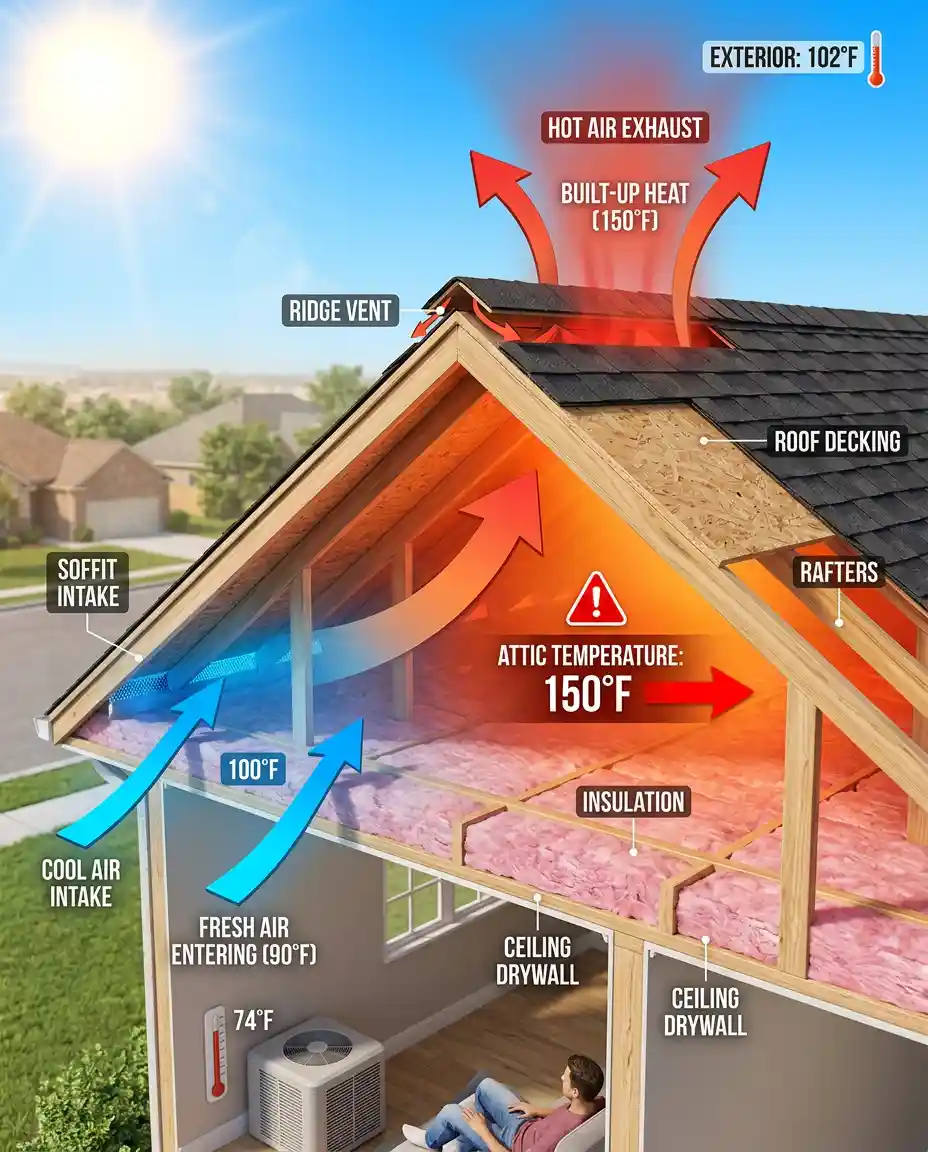
- Attic Ventilation: We check your soffit and fascia for intake vents and inspect your ridge or exhaust vents. Poor ventilation traps hot, moist air, baking your shingles from below, driving up energy bills, and creating a breeding ground for mold.
This systematic approach is what separates a mere shingle replacement from a professional new roof construction project that guarantees long-term performance.

The ‘Hail Alley’ Factor: Your Best Defense Against Texas Storms
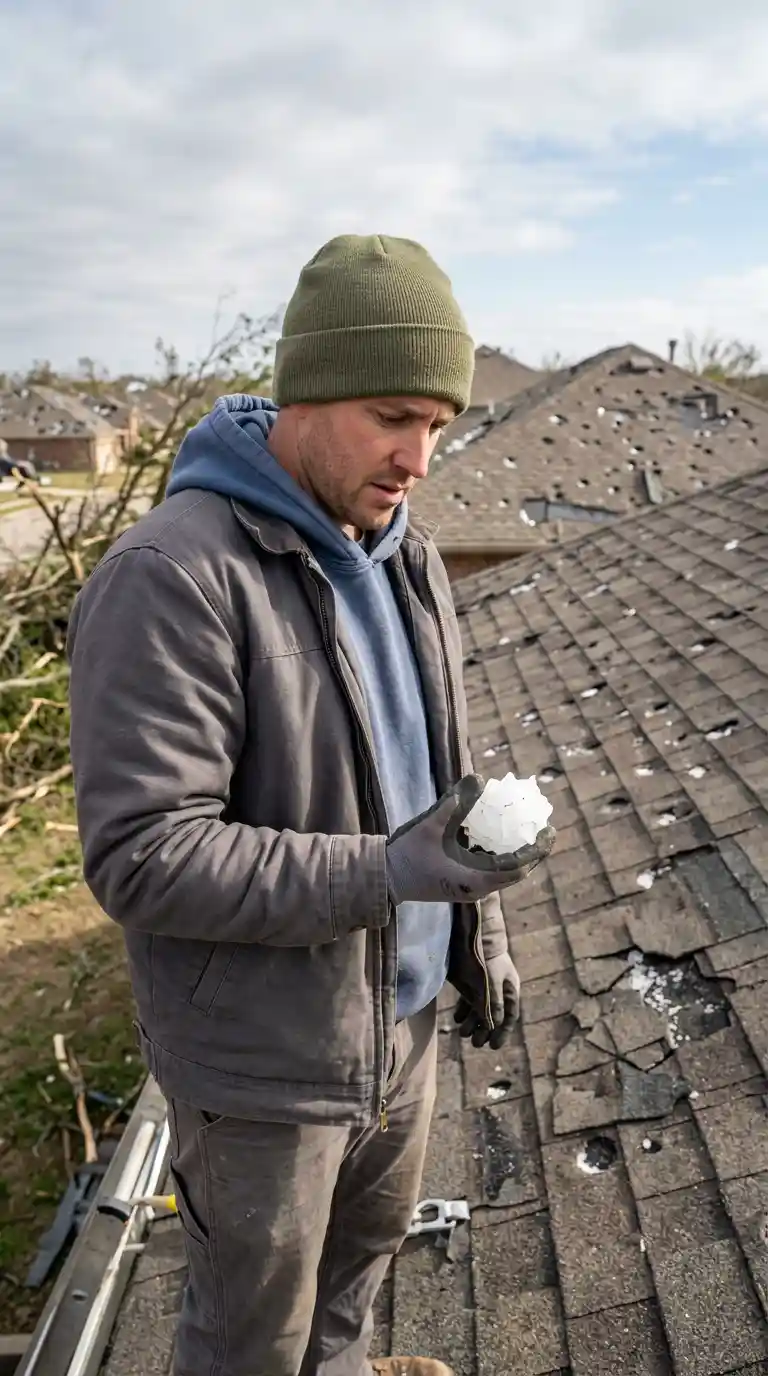
Living in Dallas County, Collin County, or Tarrant County means you live in the heart of “Hail Alley.” Hail damage repair is not a matter of ‘if,’ but ‘when.’ This is where understanding roofing materials becomes a critical financial decision. The most important term a Dallas homeowner can learn is “Class 4 Impact Resistance.”
Decoding Class 4 Materials and Insurance Discounts
Class 4 is the highest impact rating a shingle can receive. It signifies that the material has withstood a test where a 2-inch steel ball is dropped from 20 feet without cracking or splitting. While these architectural shingles, like GAF Timberline AS II or Owens Corning TruDefinition® Duration FLEX®, may have a higher upfront cost, they deliver massive long-term value for North Texas homeowners.
Why? The key is insurance. Many major insurance providers in Texas offer significant annual premium discounts—sometimes up to 30% or more—for homes with a certified Class 4 roof. Over the lifetime of the roof, these savings can offset, or even exceed, the initial investment. When we handle your insurance claim assistance, we work directly with your adjuster to document the installation of these superior materials, ensuring you get the maximum discount you’re entitled to. This is a crucial part of our services that can save you thousands.
While standard asphalt shingle roofing is common, for those seeking the ultimate in durability, a standing seam metal roof is an excellent option. A metal roof can last 50 years or more and is highly resistant to damage from extreme weather conditions such as wind, hail, and heavy rain as confirmed by industry studies. It’s a significant investment but offers unparalleled protection and longevity, making it a popular choice for homeowners planning to stay in their homes for decades.
Fighting the Heat, Not Just the Rain: The Energy Efficiency Equation
A roof in Dallas has to do more than just keep water out; it has to battle the relentless Texas sun. An improperly configured roofing system can turn your attic into an oven, forcing your HVAC to work overtime and sending your summer electricity bills soaring. A modern, climate-adapted roof installation actively works to keep your home cooler.
The two most important components in this fight are:
- Strategic Attic Ventilation: A properly ventilated attic creates a continuous flow of air, drawing cool air in through soffit vents and expelling hot, moist air through ridge or exhaust vents. This simple airflow can lower attic temperatures by as much as 50 degrees, extending the life of your shingles and reducing the strain on your air conditioner.
- Advanced Underlayment and Radiant Barriers: Modern synthetic underlayment provides a superior moisture barrier compared to traditional felt. Additionally, installing a radiant barrier on the underside of your roof decking can block up to 97% of the sun’s radiant heat from entering your attic. To meet some energy codes in hot climates, cool roofs must meet specific performance criteria, such as a minimum 3-year aged solar reflectance of 0.55 and a minimum 3-year aged thermal emittance of 0.75 according to the Cool Roof Rating Council, which these systems help achieve.
Together, these elements transform your roof from a passive cover into an active part of your home’s energy efficiency system, delivering tangible savings month after month.
Navigating the DFW Maze: Why Your Contractor’s Local Knowledge Matters
The DFW Metroplex is not a monolith. A roofing contractor who primarily does work in Fort Worth might not be familiar with the specific code amendments in Plano or Irving. This local expertise is non-negotiable for a compliant and successful roof installation. For example, the Dallas Residential Code 2021 governs the entire ‘roof assembly,’ which includes the roof deck, substrate, insulation, vapor retarder, and roof covering, not just the top layer as defined in the official code. This means city inspectors are looking at the full system, not just the new shingles.
A few examples of local differences include:
- Dallas: Has specific requirements for fastener patterns in high-wind zones and mandates solid decking for all residential reroofing projects.
- Plano: Often has stringent rules regarding the number of shingle layers allowed and specific ice and water shield requirements.
- Fort Worth: May have different setback requirements for solar panel installations that integrate with a new roof.
As a dedicated Dallas roofer, being a licensed roofing contractor and a certified roofer through organizations like the North Texas Roofing Contractors Association (NTRCA) is paramount. We handle the permitting process in every municipality we serve, from McKinney to the heart of Dallas, ensuring your full roof replacement is done right, to code, the first time. This expertise is why so many people trust us over other well-known names; our focus is on the specific technical requirements of your home’s location.
Decision Factors: Standard Installation vs. a Complete Roofing System
Choosing the right approach for your roof replacement is a major decision. Here is a clear comparison to help you understand the differences in value.
- Standard ‘Roof Installation’
- This approach focuses primarily on replacing the shingles. It’s often the cheapest upfront option and is what many low-bid contractors offer. The main goal is to cover the roof and stop immediate leaks, often reusing existing flashing and underlayment if they don’t look overtly damaged. This can be viewed as a short-term fix.
- Climate-Adapted ‘Roofing System’
- This is a comprehensive, full roof replacement. It treats the roof as an integrated system where every component—decking, underlayment, ice/water shields, shingles, flashing, and ventilation—is selected and installed to work together to combat local Dallas weather conditions. It prioritizes long-term performance, energy efficiency, and durability over the lowest initial cost.
- System Integrity and Code Compliance
- A standard installation might only meet the bare minimum code, potentially overlooking critical aspects like the 25% Rule or proper fastener requirements. A system-based approach is designed from the ground up to exceed local codes, ensuring it passes inspection and provides a robust, reliable defense for your home.
- Long-Term Cost Savings
- The initial savings of a basic installation can be quickly erased by higher energy bills from poor ventilation, or the need for premature repairs due to component failure. A complete system, particularly one with Class 4 materials, unlocks significant insurance discounts and energy savings that compound year after year, offering a superior return on investment.
Making the Right Choice for Your Needs
There is no single “best” roof for every home. The right choice depends on your specific situation, budget, and long-term goals. We find that our happy customers, who provide the referrals that are the lifeblood of our business, typically fall into one of three categories. In fact, it is a point of pride that most of our business comes from previous customers.
The Storm-Damaged Homeowner
Your immediate need is a trusted partner to stop further damage and navigate the complex roofing insurance claims process. You need a contractor who understands the Texas 25% Rule and can expertly document all damage—not just the visible missing shingles—to ensure your insurance carrier covers the cost of a complete and proper restoration of the entire roofing system.
The Proactive Planner
Your roof is aging, and you’re doing your research for a future replacement. Your focus is on long-term value and maximum ROI. You should be looking for a contractor who can explain the benefits of a complete roofing system, including the 50-year warranty options, and calculate the potential savings from both insurance discounts and improved energy efficiency with a climate-appropriate installation.
The Quality-Conscious Investor
You view your home as your most important asset and its roof as a critical investment in its protection. You are willing to invest more upfront for superior materials like Class 4 impact-resistant shingles or a standing seam metal roof. You need a certified, top-rated roofer like a GAF Master Elite Contractor or Owens Corning Platinum Preferred contractor who can provide a flawless installation and a robust workmanship guarantee for total peace of mind.
Ultimately, a new roof is one of the most significant investments you’ll make in your Dallas home. Taking the time to understand the difference between a simple installation and a complete roofing system is the key to protecting that investment for decades to come. For a transparent, no-obligation assessment of your current roof and a free roofing quote tailored to your specific needs, contact the expert team at EDP Roofing today. We are here to provide the information and quality work you need to make a confident decision.
Call (972) 274-5277 Today to schedule a free estimate.
Ready for a Lifetime Quality Roof? Protect Your Dallas Home Today.
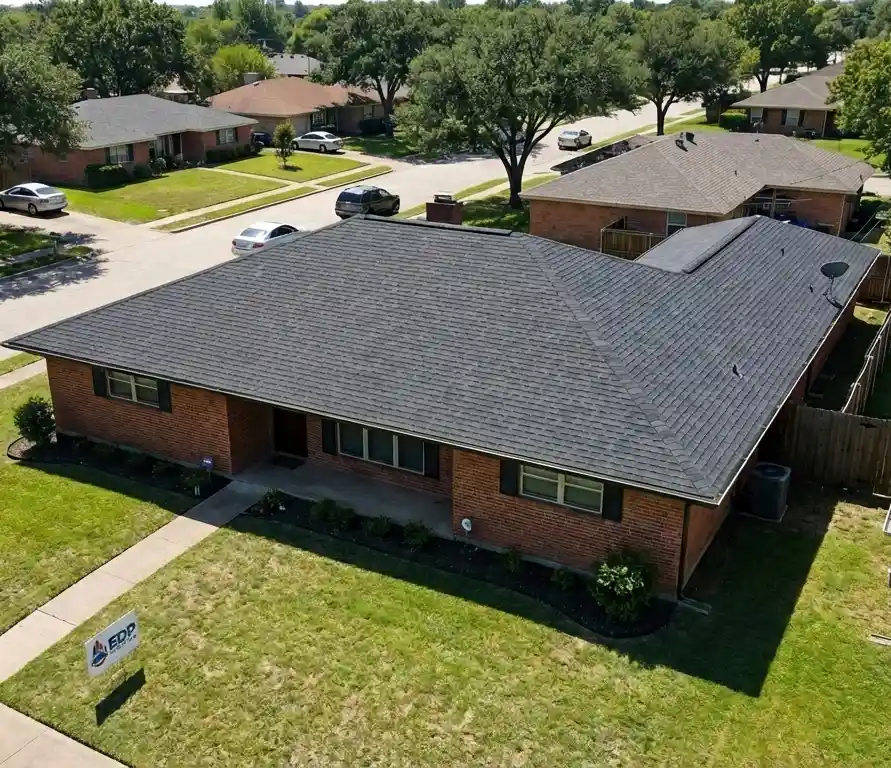
Your home is your family’s biggest investment. Don’t leave its protection to chance or settle for a stressful, confusing process. EDP Roofing is here to provide a clear path forward with expert installation, honest guidance, and unwavering support. Contact us today for your free, comprehensive roof inspection and estimate. Let us show you the difference that a dedicated, local expert can make.
Call (972) 274-5277 Today to schedule a free estimate.


ASSOCIATIONS AND ACCREDITATIONS




CONTACT US